
Feeding the world without frying it
Green groups and venture capitalists make mistakes. Some are whoppers.

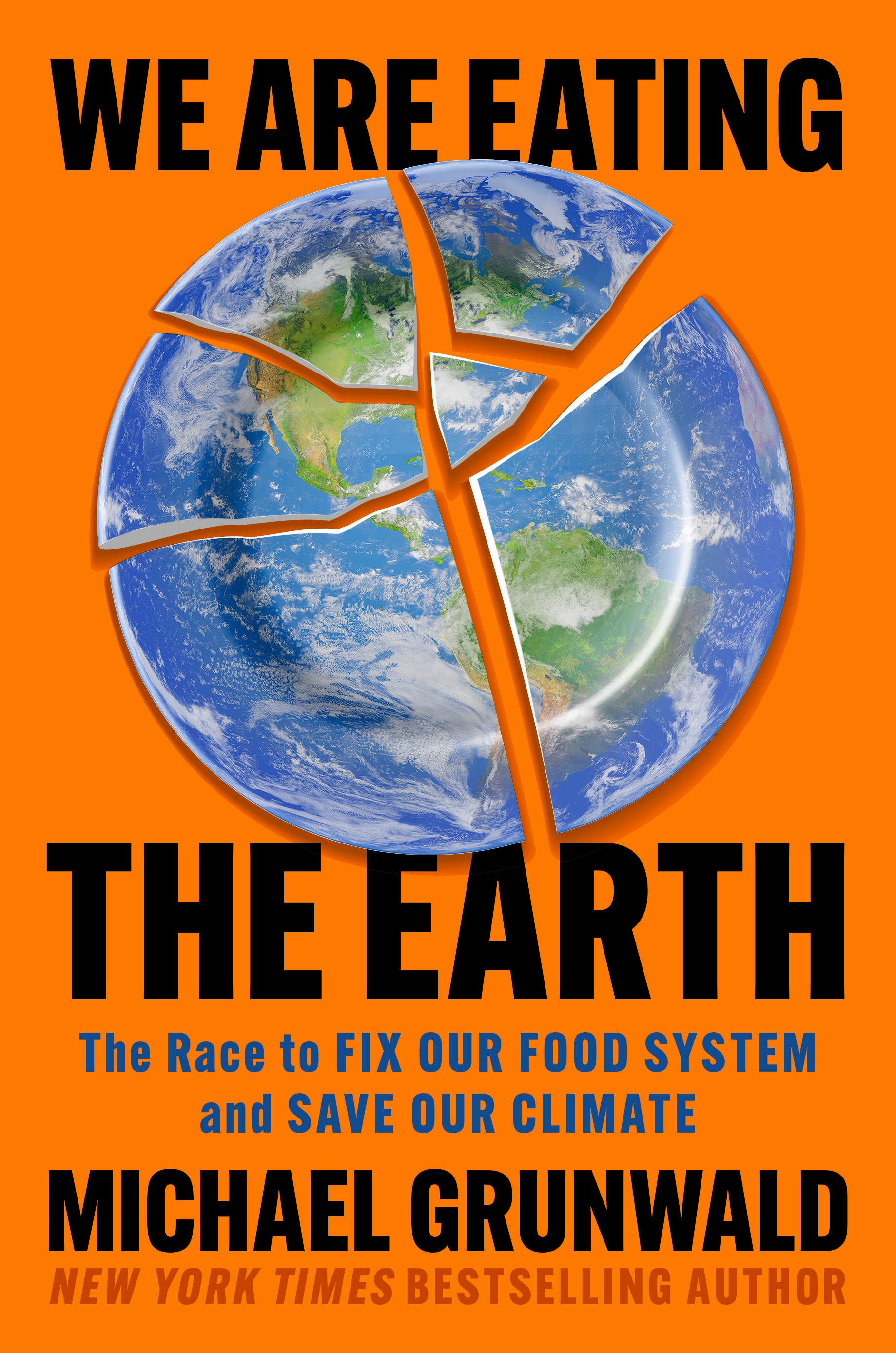
Two decades ago, the big big thing in the environmental movement was biofuels. The Natural Resources Defense Council and the Environmental Defense Fund, green groups with clout in Washington, got behind corn ethanol as a low-carbon alternative to fossil fuels. The IPCC, a global network of climate experts, endorsed biofuels. President George W. Bush signed legislation requiring fuel refiners to buy vast amounts of the stuff, along with a tariff on imported ethanol and favorable tax treatment. First as a corn-state senator and then as president, Barack Obama went along for the ride.
We now know that corn ethanol turned out to be good for farmers and bad for just about everyone else. It’s an epic story of unintended consequences.
“Biofuels and biomass power, supposedly climate saviors, are climate disasters,” writes Michael Grunwald in his terrific new book, We Are Eating the Earth: The Race to Fix Our Food System and Save Our Climate.
Yipes.
The story of corn ethanol sets up the narrative in We Are Eating the Earth. The book is science-based, thoroughly researched, lively and a reminder, not that we should need one, that even smart people are not very good at predicting the future. (The best laid plans and all that.) The star of this story is Tim Searchinger, a brilliant, persistent and iconoclastic lawyer-turned-researcher who exposed the problems with corn ethanol and since then has made a nice career out of challenging conventional wisdom in the world of food, agriculture and climate.
We Are Eating the Earth is full of sobering tales of climate “solutions” that turn out to be anything but. Never have so many cool ideas — vertical farming! grass-fed beef! jatropha! — delivered so little to so few. But the dynamic duo of Grunwald and Searchinger don’t just expose past follies of green groups, politicians and investors; they lay out a path forward—a way to feed the world without frying it—that highlights unexpected approaches, among them large-scale, intensive, tech-friendly farming practices that are a far cry from the organic, family-owned barnyards celebrated at farmers markets in hip urban precincts and upscale suburbs.
“Being big doesn’t make us evil,” says Colorado rancher Steve Gabel, who’s quoted in the book. “It makes us efficient.”
Take that, Michael Pollan.
One reason why we collectively have taken a few wrong turns in the search for sustainable farming is that figuring out the best ways to farm is really complicated. Farming is, by nature, bad for nature. Every acre of wilderness that is turned into farmland does environmental damage, so it’s better for a host of reasons to leave undeveloped land alone. This was Searchinger’s powerful insight: Every acre is sacred, he says.
Once you take deforestation into account, agriculture accounts for roughly a third of global climate emissions. (Estimates are notoriously imprecise.) That means that the world’s farmers, who, judging by this account, are often reluctant to embrace change, need to be persuaded or incentivized to grow more food on less land while reducing GHG emissions. For their part, the world’s eaters need to waste less food and consume less meat, especially beef, lamb and goat. It’s a daunting task.
A wrong turn
In hindsight, it’s easy to see why so many people pointed to corn ethanol as a climate solution in the mid-2000s. An Inconvenient Truth debuted in 2006, sounding an alarm about global warming. But solar and wind power were just taking hold; they generated less than 1 percent of US electricity. Tesla would not sell its first electric car until 2008. By contrast, corn could be converted to fuel-grade ethanol and blended into gasoline right away, and move the US closer to energy independence to boot.
In a 2004 report called Growing Energy NRDC said that biofuels made from plant materials grown by American farmers can “slash global warming emissions, improve air quality, reduce soil erosion and expand wildlife habitat” and replace half the oil used to power cars and trucks in the US. The Environmental Defense Fund ignored warnings about corn ethanol from Searchinger, who worked there at the time, in part because it wanted to build relationships with farm-state politicians and their constituents, in hopes of passing comprehensive climate legislation. Advocates argued that corn ethanol would be a bridge to advanced biofuels, which can be made from non-food feedstocks like agricultural waste, shrubs or grasses.
Instead, corn ethanol turned out to be bad for the climate; its carbon impact is “no less than gasoline and likely at least 24% higher,” according to a thorough peer-reviewed 2022 study. The corn-ethanol mandate contributed to higher food prices, by reducing the supply of corn and other food crops. Corn ethanol also drove increased fertilizer use and water pollution, especially in the Mississippi River basin and the Gulf of Mexico. The advanced biofuels industry has yet to materialize. Worst of all, perhaps, vast amounts of prairie, grasslands and forests in the US and elsewhere have been converted to farmland, releasing carbon in the process.
To their credit, NRDC and Environmental Defense soon turned against growing corn for fuel. But the corn-ethanol mandate exists to this day. Such is the power of the farm lobby.
To be sure, it’s not just green groups and politicians who place bad bets on the future. Consider Beyond Meat, the bellwether plant-based meat company that generated a lot of excitement when it burst on the scene more than a decade ago by promising a delicious meatless alternative to a hamburger. I wrote about Beyond Meat and its low-key founder, Ethan Brown, for FORTUNE in 2013 under the headline, The Bill Gates-backed company that’s reinventing meat. Plant-based meat was going to be good for the planet, good for human health and best of all (from my POV) good for animals. What could go wrong?
Within months of its 2019 initial offering of stock to the public, Beyond Meat was valued by investors at more than $14bn; its shares touched an all-time high of $234. Impossible Foods, its most-watched rival, raised $2bn in capital. The biggest meat companies, including JBS, Cargill, Tyson and Smithfield, began developing their own plant-based products, as did hundreds of start-ups, according to We Are Eating the Earth. “Analysts were giddy about their future,” writes Grunwald.
The bubble bursts
There was just one problem: Consumers were unimpressed, and they remain so. Food is emotional; people don’t want to give up Thanksgiving turkey or hot dogs on the 4th of July. They don’t care enough about climate change or animal cruelty to pay a premium for plant-based meats or to sacrifice taste. (Although Beyond’s chicken nuggets and Impossible’s sausage are very good.) The health benefits were overblown and the crunchy granola crowd grumbled because plant-based meats are a “processed food.” So, of course, are conventional meat, Greek yogurt and Cheerios.
The bottom line: Sales of plant-based meat and seafood have fallen every year since 2022. This week, shares in Beyond Meat are changing hands for less than $1.
It’s much too soon give up on plant-based meat. “There are few things we can do that are more important than eating less meat, particularly beef,” Searchinger tells me by email. “The best opportunity for that is to develop plant-based or lab-grown meat that tastes just as good and is a little cheaper.” Beyond and Impossible are improving their products. Remember, it took decades for solar and wind power to become cost competitive with coal and natural gas.
There’s much more in We Are Eating the Earth, including the ill-fated decision by EU regulators that encourage American foresters to cut down trees and burn them for fuel. Thank goodness for contrarians like Searchinger, Stewart Brand (Whole Earth Discipline) and Jason Clay of WWF, who also challenged the romantic notions about organic ag and small family farms but don’t get credit in the book. Above all, they agree, farming needs to be productive; we need “factory farms,” ideally without the animal cruelty, just like we need factories to build laptops or cars.
While the book is largely about failed plans, it also explores some promising but still unproven ideas to improve food production and reduce emissions, including meat grown from cells, genetically-edited crops and chemical additives to cattle feed to curb cows’ methane-producing burps and farts. Grunwald remains an optimist.
“Historically, the human race has been much better at inventing new stuff than it is as changing old stuff,” he writes.
“Radical change always seems unimaginable until it happens.”
Great piece. I like the word “yikes” better.